Safety Considerations for Commercial Concrete Sawing and Removal
People seeking commercial concrete sawing and removal aim to safely cut and remove concrete structures, and local contractors can ensure proper safety measures are followed throughout the process.
Property owners in the area who are planning to undertake commercial concrete sawing and removal projects often find that understanding safety considerations is essential for a smooth and successful process. Whether managing renovations, demolitions, or new installations, ensuring safety helps prevent accidents, reduces potential damage, and keeps the project on track. Local contractors experienced in concrete sawing and removal are well-versed in these safety practices and can provide guidance to help property owners navigate the complexities of working with heavy equipment and concrete materials safely.
Keeping safety at the forefront is especially important for property owners looking to minimize disruptions and protect everyone involved. Proper planning and adherence to safety considerations can also help avoid costly delays and liabilities. Service providers in the area who specialize in commercial concrete sawing and removal are equipped to handle these concerns professionally, offering expertise that supports safe, efficient project execution. Exploring this topic further can provide valuable insights into how local contractors prioritize safety while delivering effective concrete removal solutions.
- Concrete demolition projects often require careful sawing and removal to prevent damage to surrounding structures, with local contractors implementing safety measures to protect workers and property. When remodeling or renovating commercial spaces, experienced service providers evaluate the site to address safety considerations for commercial concrete sawing and removal before beginning work. In cases where existing concrete must be cut to access utilities or structural elements, local pros follow safety protocols to minimize risks during the sawing process. For large-scale concrete removal, specialists assess potential hazards such as dust, vibration, and debris, ensuring safety considerations for commercial concrete sawing and removal are prioritized. During repairs or upgrades that involve cutting through concrete, local contractors use appropriate safety techniques to safeguard both personnel and the environment.

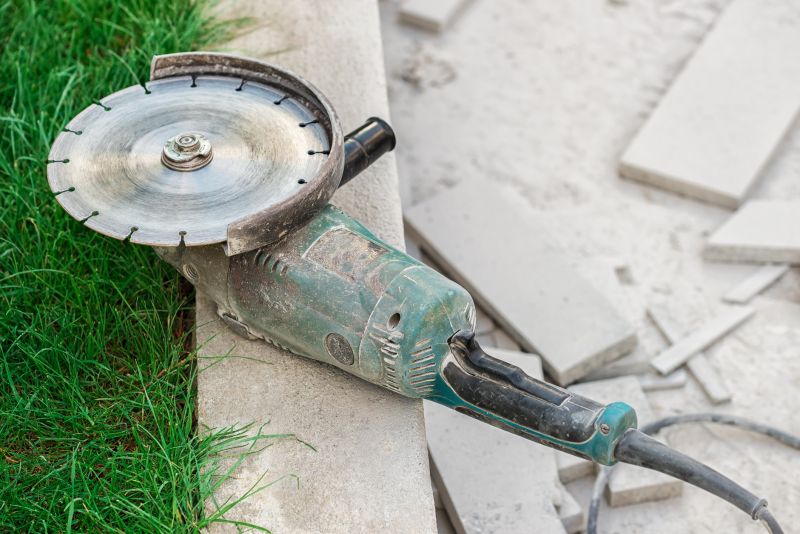
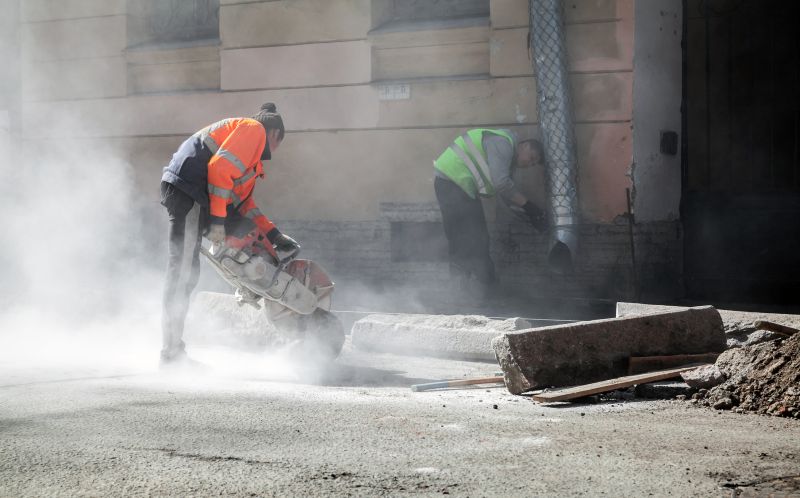
When people search for safety considerations for commercial concrete sawing and removal, they are often looking for guidance on how to ensure the work is performed safely and efficiently. This topic typically comes up during planning phases of projects involving cutting through concrete surfaces, such as floors, walls, or pavements. Homeowners, facility managers, or property owners may be concerned about potential hazards, the proper use of equipment, and how to prevent accidents during the process. Understanding these safety considerations helps ensure that the project proceeds without injury or damage, especially in busy commercial or industrial environments.
Many safety considerations for commercial concrete sawing and removal relate to the specific challenges of working with heavy-duty equipment and dense materials. Problems like dust control, noise levels, and vibration often come up as potential hazards. Additionally, there are concerns about structural integrity, utility lines, and the risk of debris falling or causing injury. Proper planning involves assessing the site for existing utilities, ensuring the right equipment is used, and implementing safety protocols. These plans are essential to prevent accidents, protect workers and property, and maintain compliance with safety standards during the project.
The types of properties where safety considerations for commercial concrete sawing and removal become especially relevant include commercial buildings, warehouses, manufacturing facilities, and large retail spaces. These properties typically feature extensive concrete surfaces that may need to be cut or removed for renovations, repairs, or upgrades. Industrial sites with heavy machinery or utility lines also require careful planning to avoid damaging existing infrastructure. In all cases, the safety of workers and bystanders depends on thorough site assessments, proper equipment handling, and adherence to safety procedures, which local service providers are well-equipped to manage.
Engaging experienced local contractors for concrete sawing and removal can significantly improve safety outcomes. These professionals understand the importance of assessing each site’s unique risks and implementing appropriate safety measures. They bring specialized knowledge of equipment operation, dust and noise control, and hazard mitigation, which are crucial for protecting everyone involved. By working with local pros, property owners can ensure that the project adheres to safety best practices, minimizing risks while achieving efficient, quality results. This proactive approach helps keep projects on track and reduces the potential for accidents or property damage during concrete cutting and removal tasks.
Demolition projects - professionals handling demolition often use similar cutting tools and safety protocols as those in commercial concrete sawing and removal, requiring careful planning and equipment management.
Foundation retrofitting - this type of work involves precision cutting and removal of concrete, making safety considerations crucial for protecting workers and adjacent structures.
Roadway and pavement cutting - local contractors performing pavement cutting utilize specialized saws and safety measures that align closely with concrete sawing safety practices.
Structural modifications - modifying existing concrete structures demands careful planning and safety precautions similar to those in concrete removal and sawing operations.
Utility line installation - installing or repairing underground utilities often requires precise concrete cutting, with safety considerations being essential for worker protection.
Architectural concrete work - creating decorative or structural concrete features involves cutting and removal tasks that require adherence to safety protocols similar to commercial sawing services.
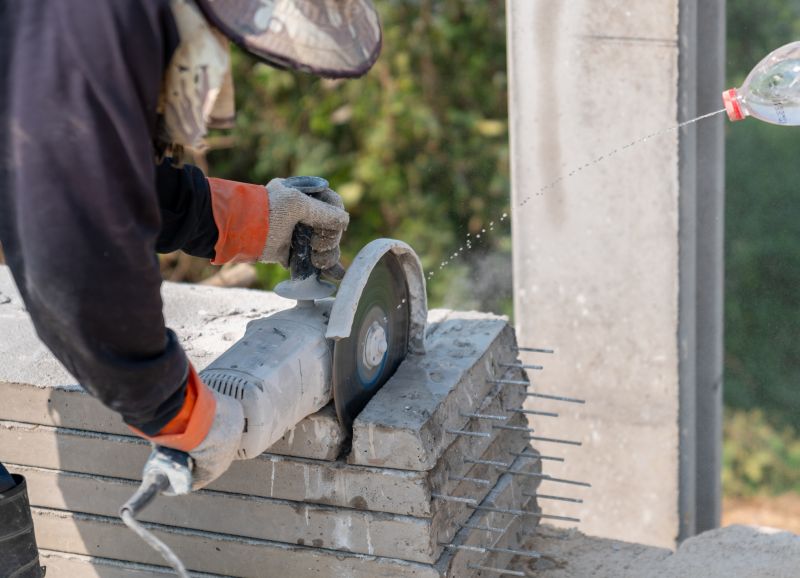
When evaluating service providers for commercial concrete sawing and removal, it is important to consider their experience with similar projects. A contractor's familiarity with the specific scope and complexity of the work can indicate their ability to handle safety considerations effectively. Service providers who have a proven track record with projects comparable in size and scope are more likely to understand the potential hazards and the best practices to mitigate them, ensuring a safer work environment throughout the process.
Clear written expectations are essential when comparing local contractors for concrete sawing and removal services. Detailed project descriptions, safety protocols, and scope of work should be outlined upfront to prevent misunderstandings and ensure that safety considerations are prioritized. A reputable service provider will communicate their approach to safety, including the procedures they follow and the precautions they take, which helps homeowners assess how well their safety practices align with project requirements.
Reputable references and strong communication skills are valuable indicators when selecting a contractor for concrete sawing and removal. References from previous clients can provide insights into how the contractor manages safety concerns and handles unexpected challenges. Additionally, contractors who maintain open lines of communication and are willing to discuss safety procedures, potential risks, and project details demonstrate a commitment to transparency and safety. This level of engagement can help ensure that safety considerations are integrated into every phase of the project, providing peace of mind for homeowners.
Property owners often search for safety considerations for commercial concrete sawing and removal when they are planning practical projects around their homes and businesses. Local pros provide Commercial Concrete Sawing and Removal services for everyday jobs and straightforward project options.
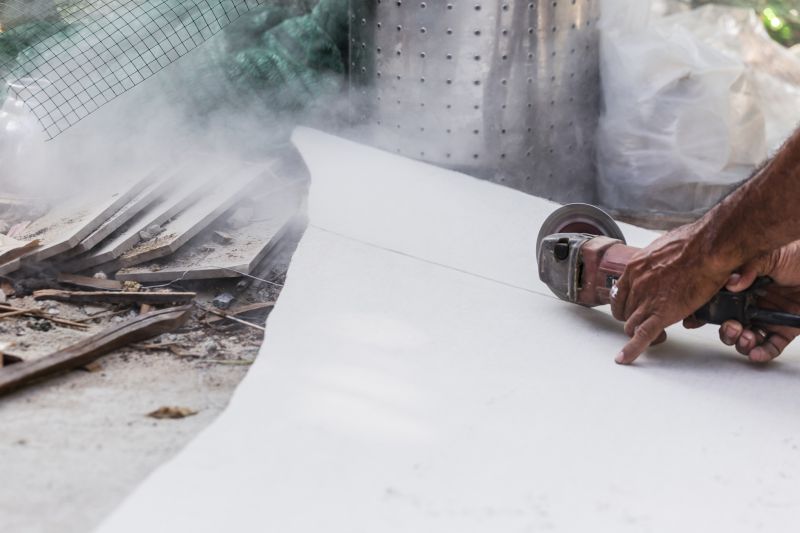
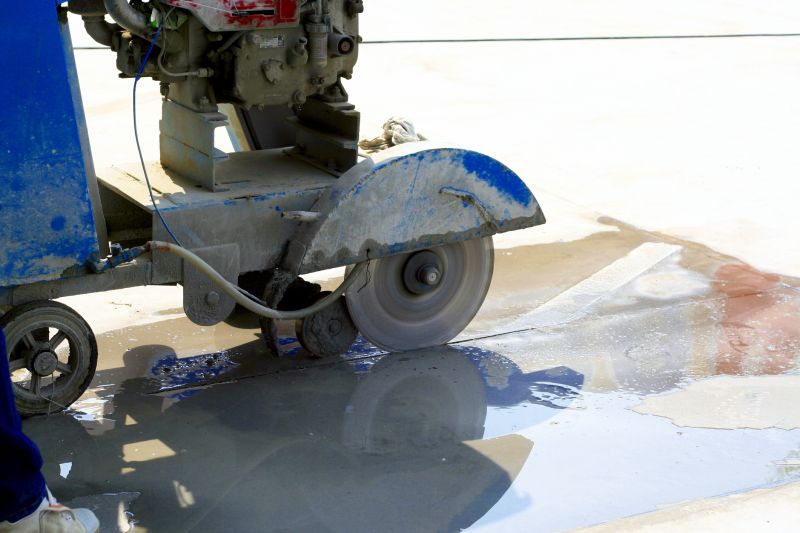
Safety considerations for commercial concrete sawing and removal are essential for property owners undertaking renovation or construction projects. Everyday situations, such as creating new doorways, removing outdated concrete slabs, or making repairs to existing structures, often require precise cutting and removal techniques. Property owners in the area might seek out information on safety to ensure that the work is performed without accidents or damage, especially when working near existing utilities, walls, or other structures. Local contractors who specialize in concrete sawing and removal are equipped to handle these tasks while adhering to safety best practices, helping to minimize risks associated with dust, debris, and equipment operation.
Considering safety is a key factor when choosing professional services for concrete sawing and removal. Proper safety measures protect not only workers but also the property and surrounding environment. For property owners, understanding the importance of hiring experienced service providers can lead to safer project outcomes, reducing the likelihood of injuries or property damage. Local service providers often have the expertise to manage safety considerations effectively, ensuring that the work is completed efficiently and with attention to the potential hazards involved in concrete cutting and removal tasks.
What are the main safety considerations during commercial concrete sawing and removal? Key safety considerations include proper equipment handling, awareness of surrounding structures, and adherence to safety protocols to prevent injuries and accidents.
How do local contractors ensure safe operation of concrete sawing equipment? Local contractors follow safety procedures such as using appropriate PPE, maintaining equipment properly, and employing techniques that minimize dust and vibration risks.
What precautions should be taken to protect workers and nearby areas during concrete removal? Precautions include setting up barriers, controlling dust with water or vacuums, and ensuring that only authorized personnel operate the equipment.
Are there specific safety measures for working around existing utilities during concrete sawing? Yes, contractors typically locate and mark utilities beforehand, use non-destructive methods when possible, and proceed with caution to avoid damaging underground lines.
Why is it important to hire experienced local service providers for safe concrete sawing and removal? Experienced providers are familiar with safety protocols, proper equipment use, and risk mitigation strategies, helping to ensure a safer work environment during the project.
Proper equipment handling - Ensuring that tools and machinery are operated correctly can prevent accidents and injuries during concrete sawing and removal projects.
Site assessment and planning - Conducting a thorough evaluation of the work area helps identify potential hazards, allowing local contractors to plan safe procedures.
Use of personal protective equipment - Wearing appropriate safety gear, such as goggles and ear protection, is essential for protecting workers during sawing and removal tasks.
Awareness of surroundings - Staying alert to nearby structures, utilities, and personnel can help prevent unintended damage and create a safer work environment.
If you are thinking about safety considerations for commercial concrete sawing and removal for a property, this guide is meant to help you understand this topic, the typical project types, and how different options might fit your plans.
When you are ready, you can use the quote form on this page to share a few details about your project. From there, local pros can review the basics and follow up with options that match what you have in mind.